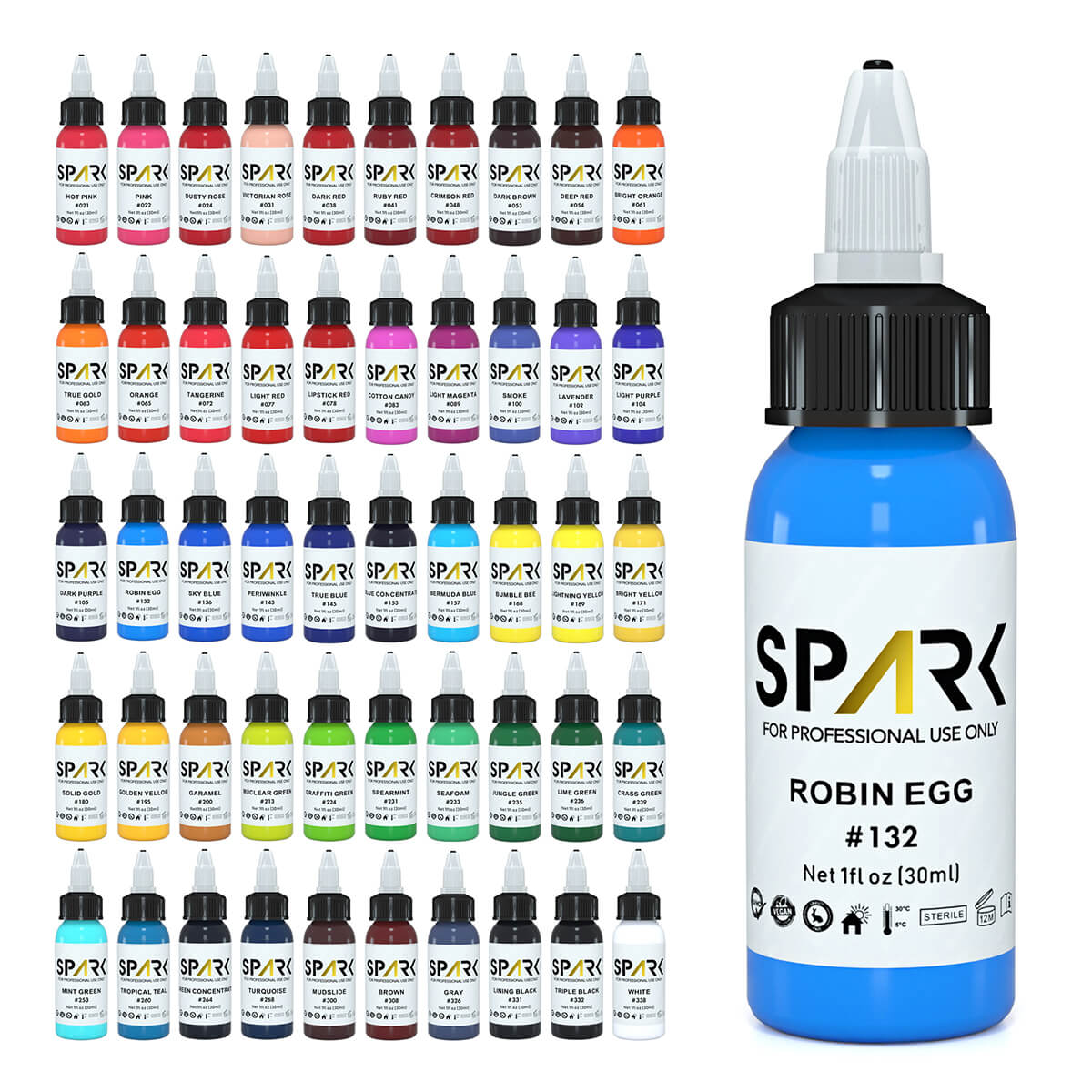
In the global tattoo and permanent makeup field, safety, ethical accountability, and reliable performance are the bedrocks that guide product development and shape what artists and clients look for. Tattooing involves direct contact with living skin, so ink quality isn't just about how the design holds up-it's about protecting client health. Low-grade or unvetted inks often contain hidden risks: harsh chemicals can trigger redness, swelling, or long-term allergic reactions, while unstable pigments fade unevenly, ruining the artist's work and disappointing the client.
This is why regulatory certifications like, EU REACH, and MSDS have become non-negotiable for serious suppliers. These aren't just paperwork-they're proof that the ink has been tested for harmful substances like heavy metals, carcinogenic dyes, and microbial contaminants. For tattoo shop owners, checking these certifications before stocking inks is part of responsible business practice; for artists, it's how they build trust with clients who increasingly ask, "Is this safe for my skin?"
A clear shift in the industry over the past decade is the move toward "conscious formulations." Artists and clients alike are turning away from inks with animal-derived ingredients or that rely on harsh synthetic stabilizers. Vegan, cruelty-free, and organic inks aren't just a trend-they're a response to real needs: clients with sensitive skin, those who prioritize animal welfare, and artists who want to avoid the hassle of adverse reactions mid-session.
To meet this demand, reputable manufacturers now source organic pigments from trusted regions (like the USA for consistency) and use gentle carriers-think distilled water or witch hazel, which soothes skin while keeping the ink flowing smoothly. These natural bases do more than reduce irritation; they also help pigments stay bright. Any experienced artist will tell you: organic inks hold their vibrancy better post-healing, unlike cheaper alternatives that turn muddy or ashy after a few months.
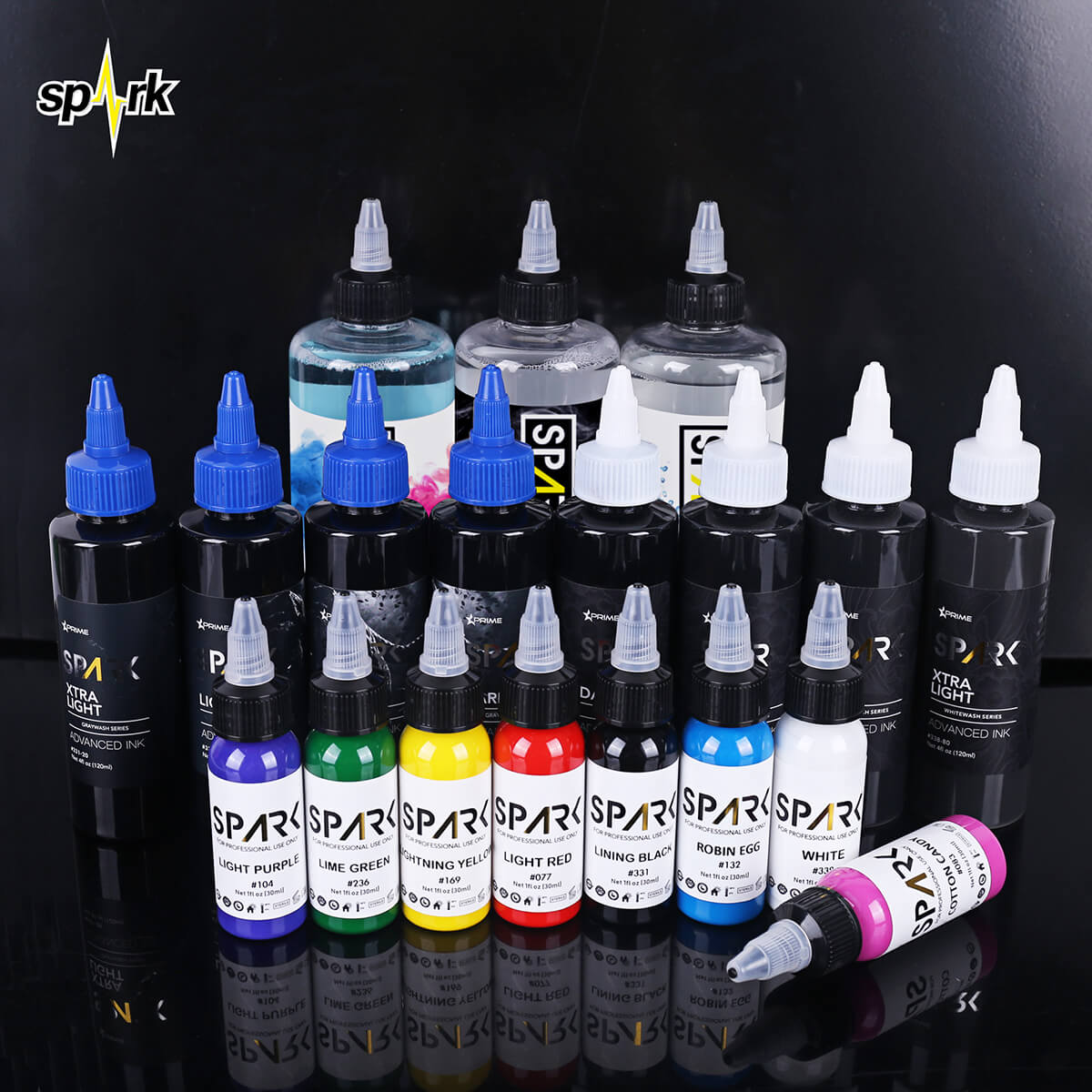
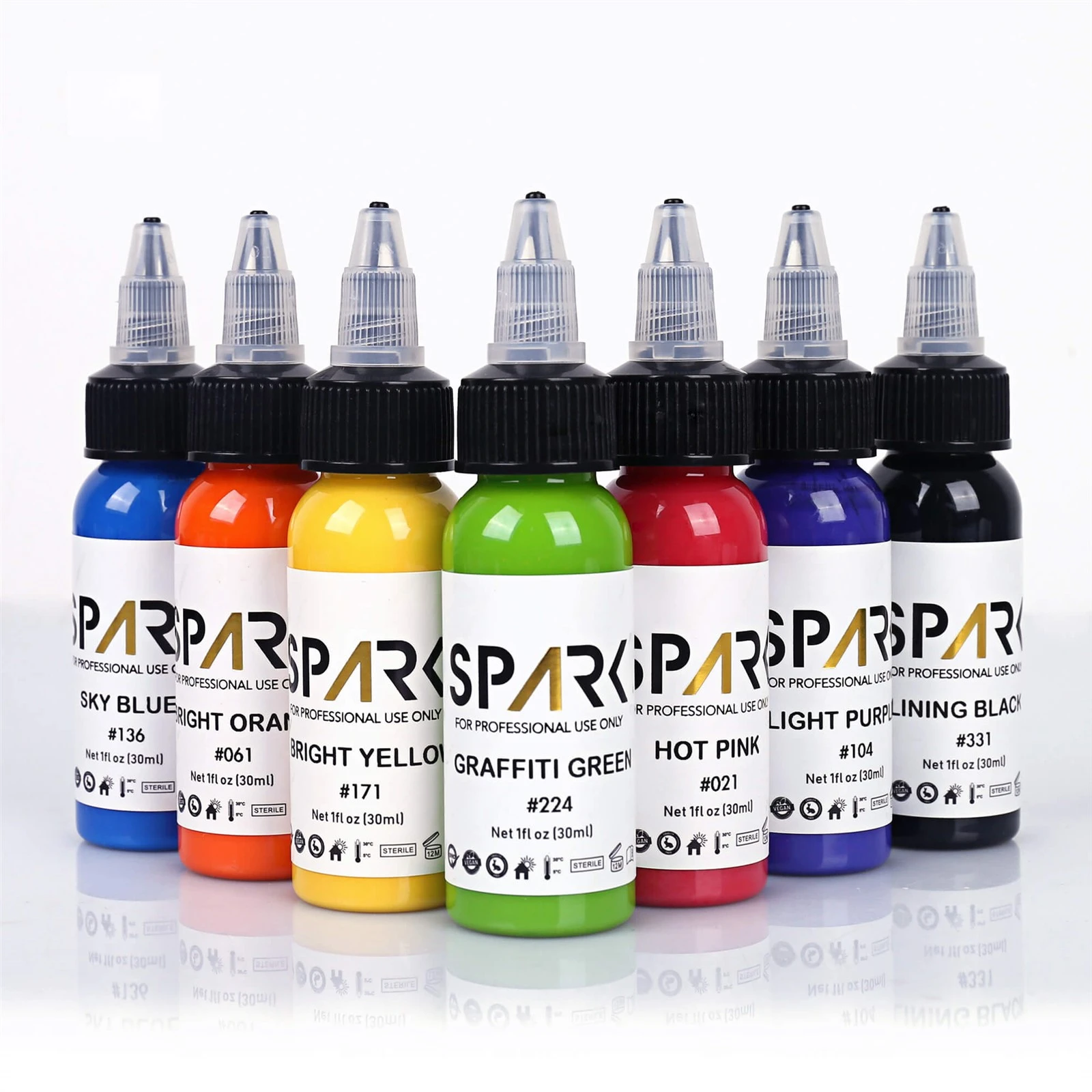
For working tattooists, performance details make or break an ink. The texture has to be just right-semi-liquid is ideal because it doesn't clog machine needles during lining, spreads evenly for shading, and stays consistent when layering details. You don't want ink that's too thin (it bleeds) or too thick (it skips), especially when working on precise areas like brows or fine line designs. Color range matters too: having 60+ shades means you're ready for a client asking for a soft pastel sleeve or a bold tribal piece, and being able to mix custom hues lets you match exact references-something clients increasingly expect.
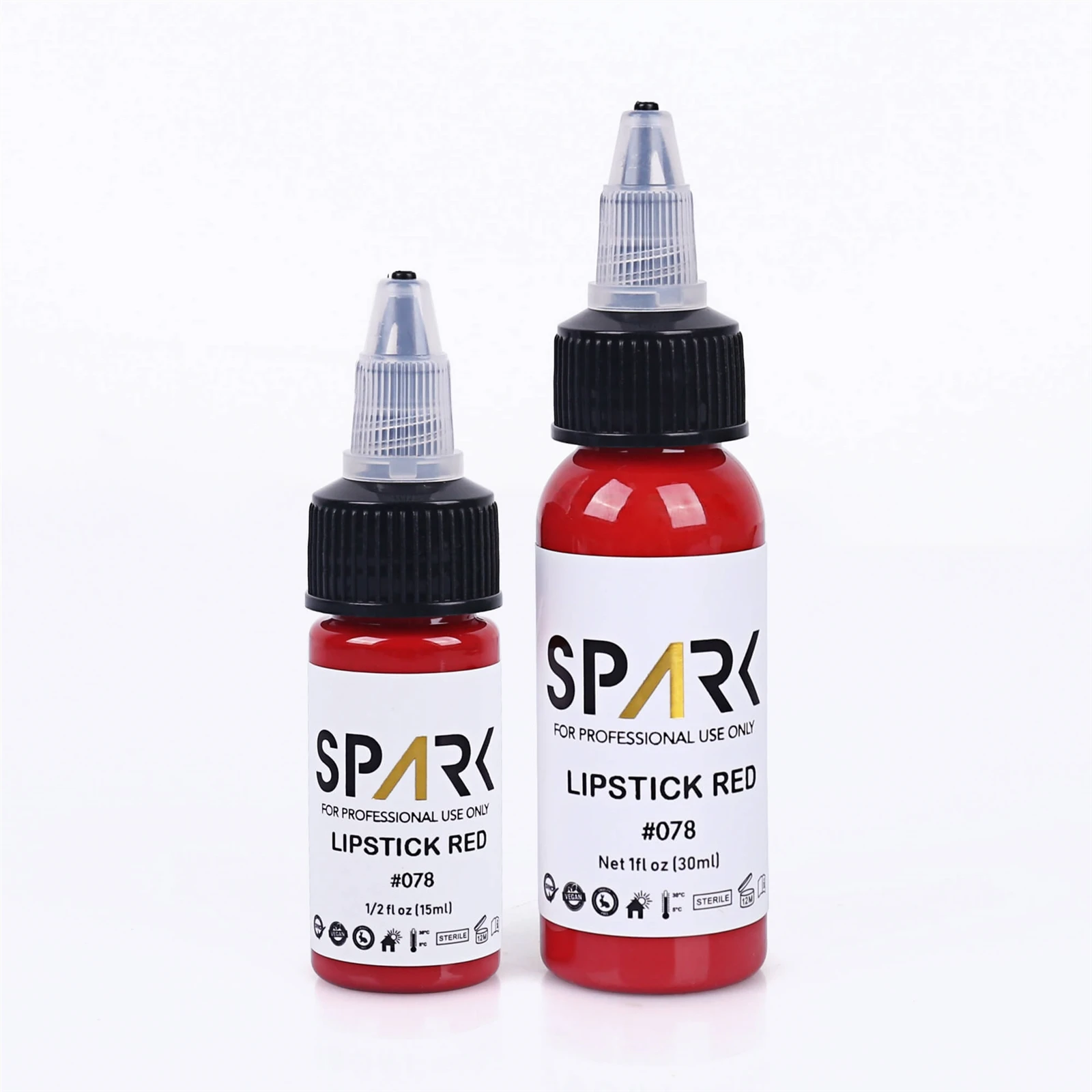
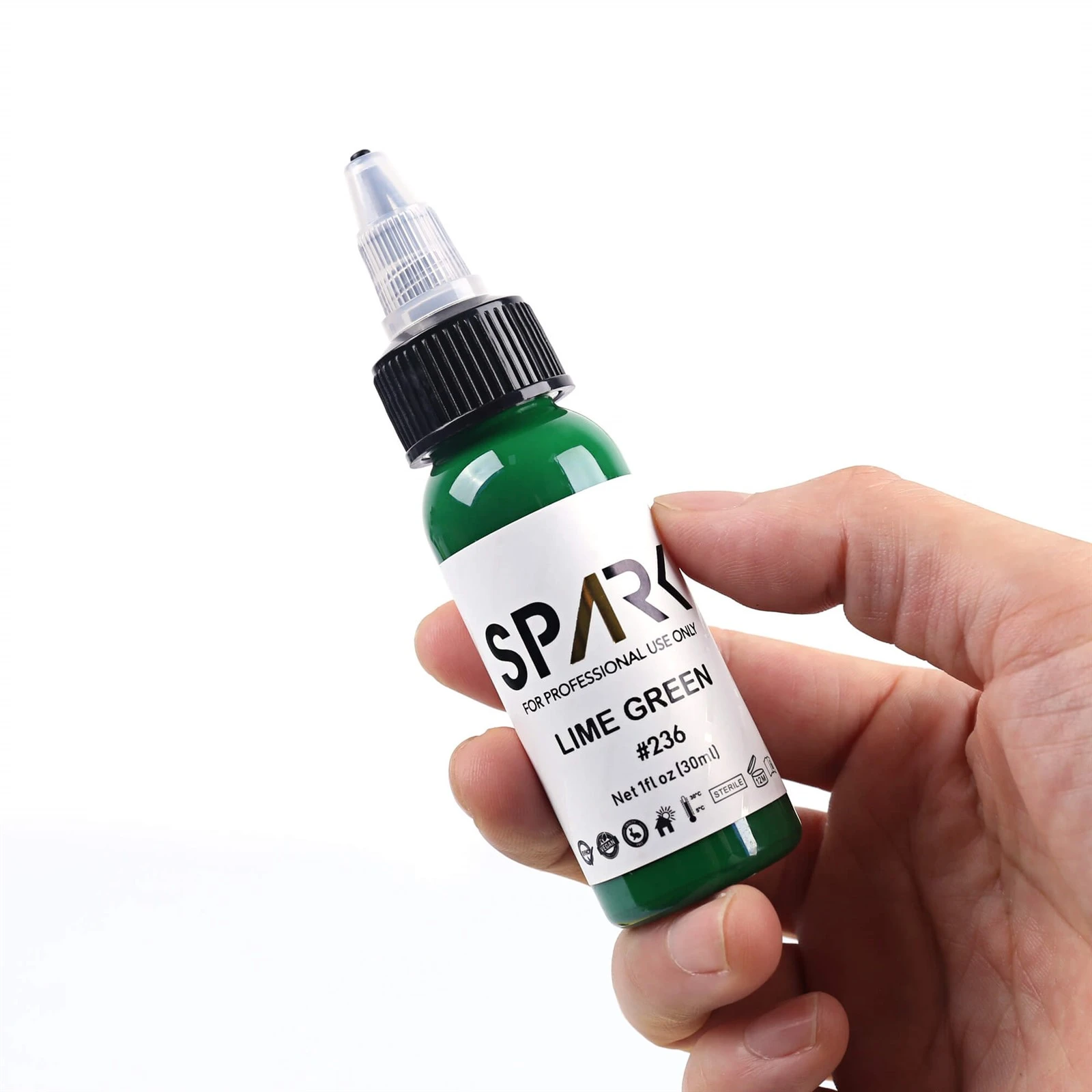
Practicality counts in busy studios, too. Bottles in 0.5 oz or 1 oz sizes are perfect-small enough to fit in a travel kit for guest spots, large enough to avoid constant refills during a full-day session. Tamper-proof caps are a must to prevent contamination, and labels that clearly list ingredients (not just a vague "organic" claim) help artists answer client questions on the spot.
Many shops also look for customization options-OEM/ODM services let you put your studio's logo on bottles or curate a signature color set, which builds brand recognition. It's a small touch, but it turns a generic product into something that feels unique to your business.