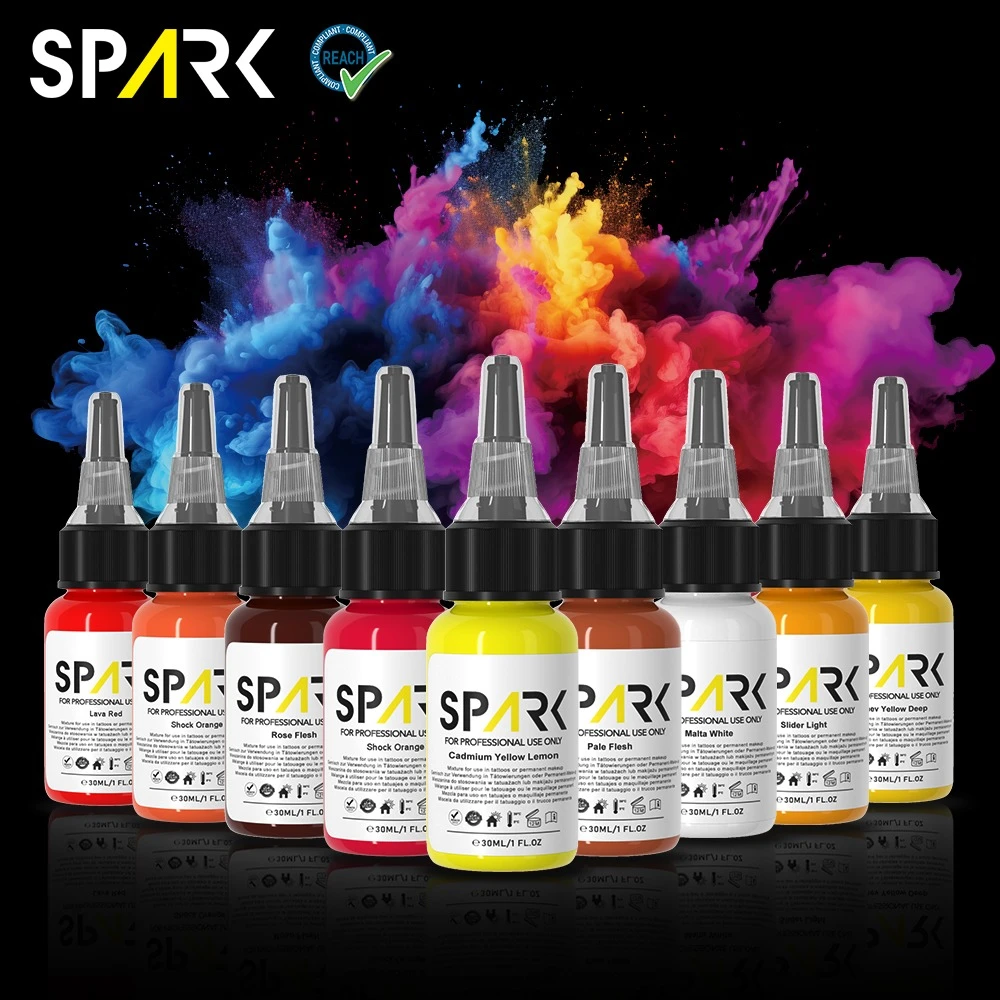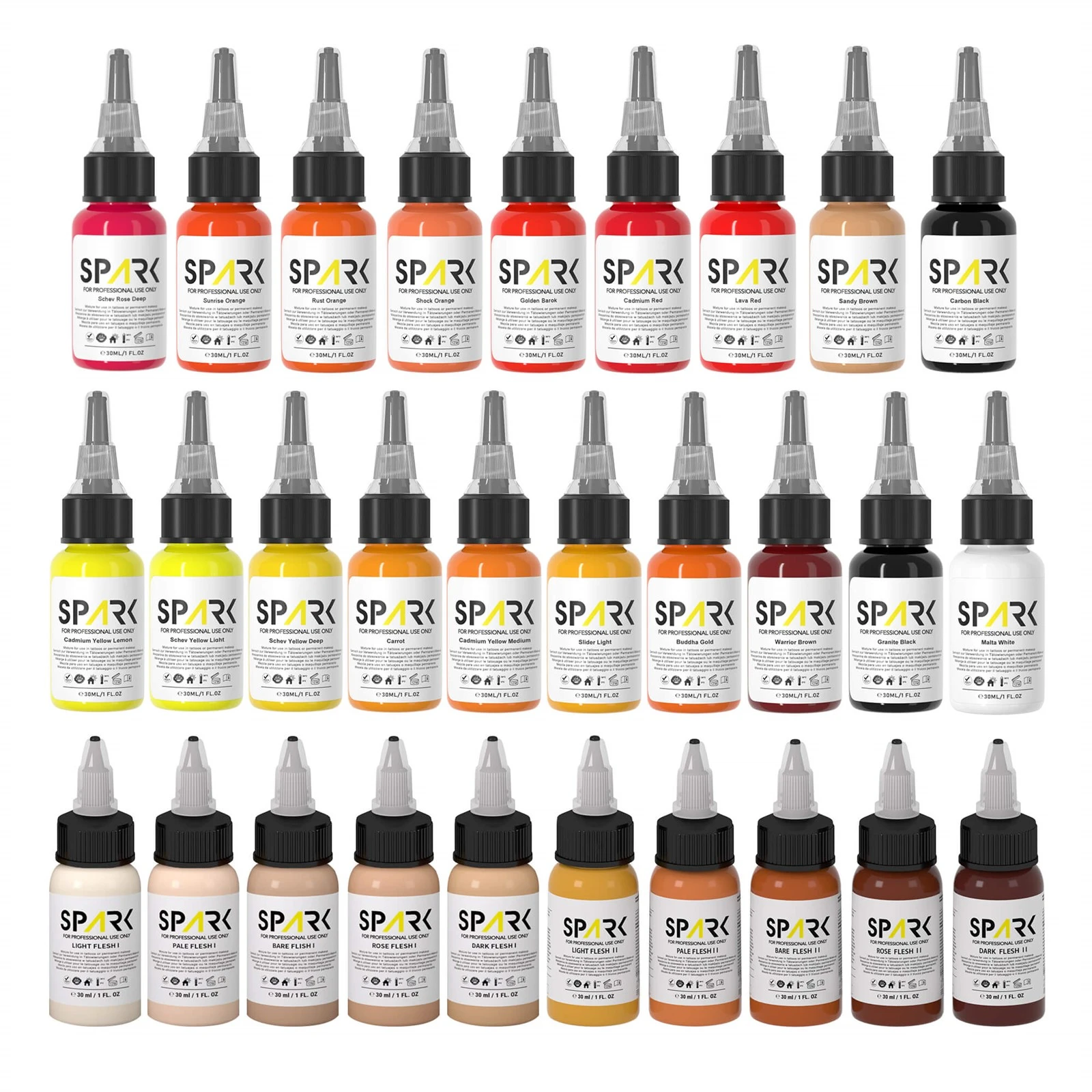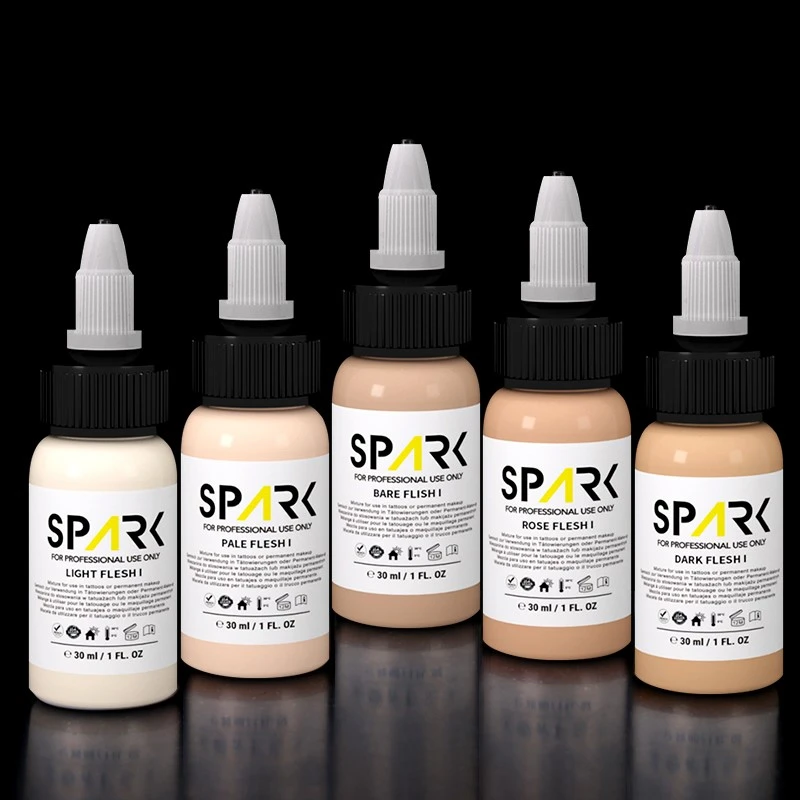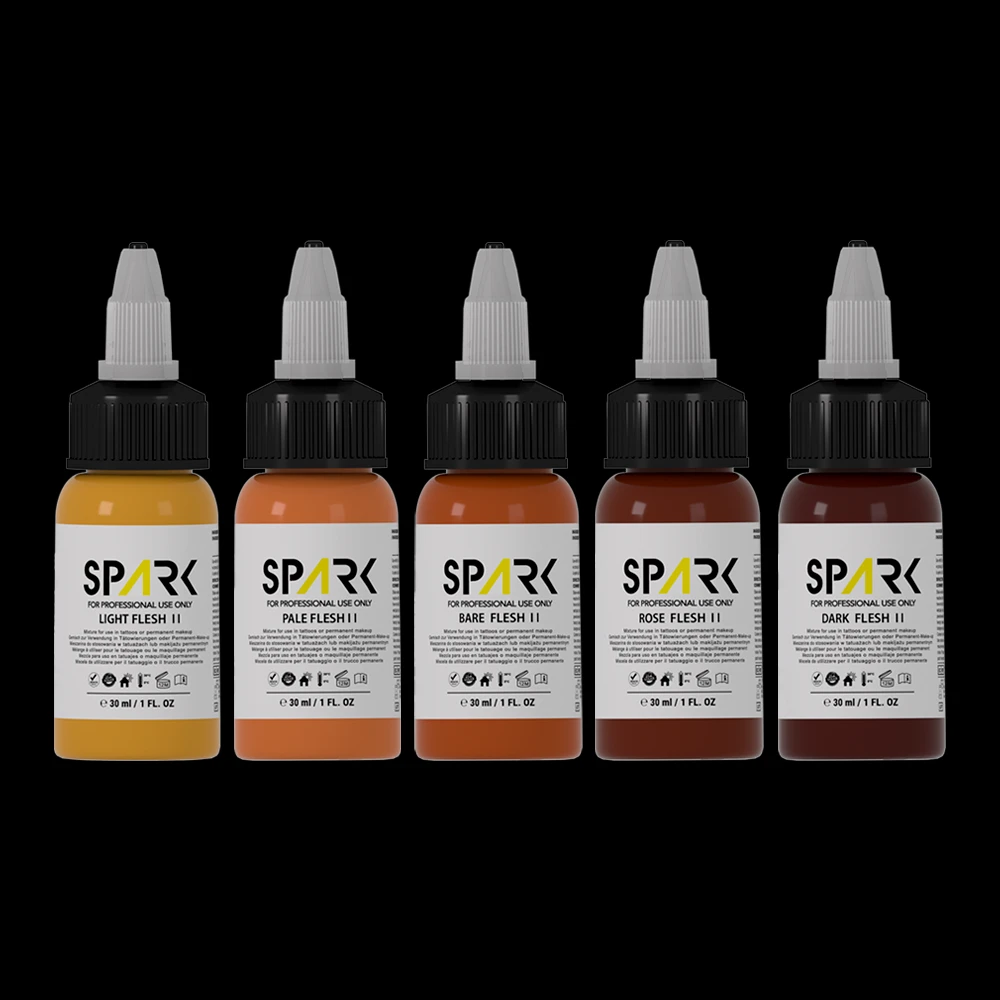
The global tattoo ink industry is experiencing robust growth, driven by rising acceptance of body art, consumer demand for personalization, and evolving safety standards . A key trend shaping the sector is the shift toward compliance with strict regional regulations-particularly the EU's REACH Regulation-which mandates the exclusion of harmful substances like heavy metals, formaldehyde, and parabens to mitigate health risks . Technological advancements, such as micro pigment technology, have revolutionized product performance, with ultra-fine pigment particles enabling vibrant, long-lasting color retention and smoother application for both intricate designs and large-area work .
The market is also diversifying to cater to varied user needs: products now span professional-grade formulas for studios and beginner-friendly options gain traction . Organic and biocompatible ingredients are becoming a core selling point, as consumers-including those with sensitive skin-prioritize safety without compromising color vibrancy . Additionally, customization has emerged as a competitive edge, with private label services allowing businesses to tailor branding, and flexible packaging (such as 1oz portable sizes) meeting the demands of both professional use and individual creators .
Sustainability, cleanroom manufacturing (e.g., ISO class 5 standards), and adherence to GMP principles further define industry best practices, ensuring product consistency and minimizing contamination risks . As the industry evolves, the balance of safety compliance, technological innovation, and market personalization will remain central to meeting the needs of tattoo artists, salons, and enthusiasts worldwide.