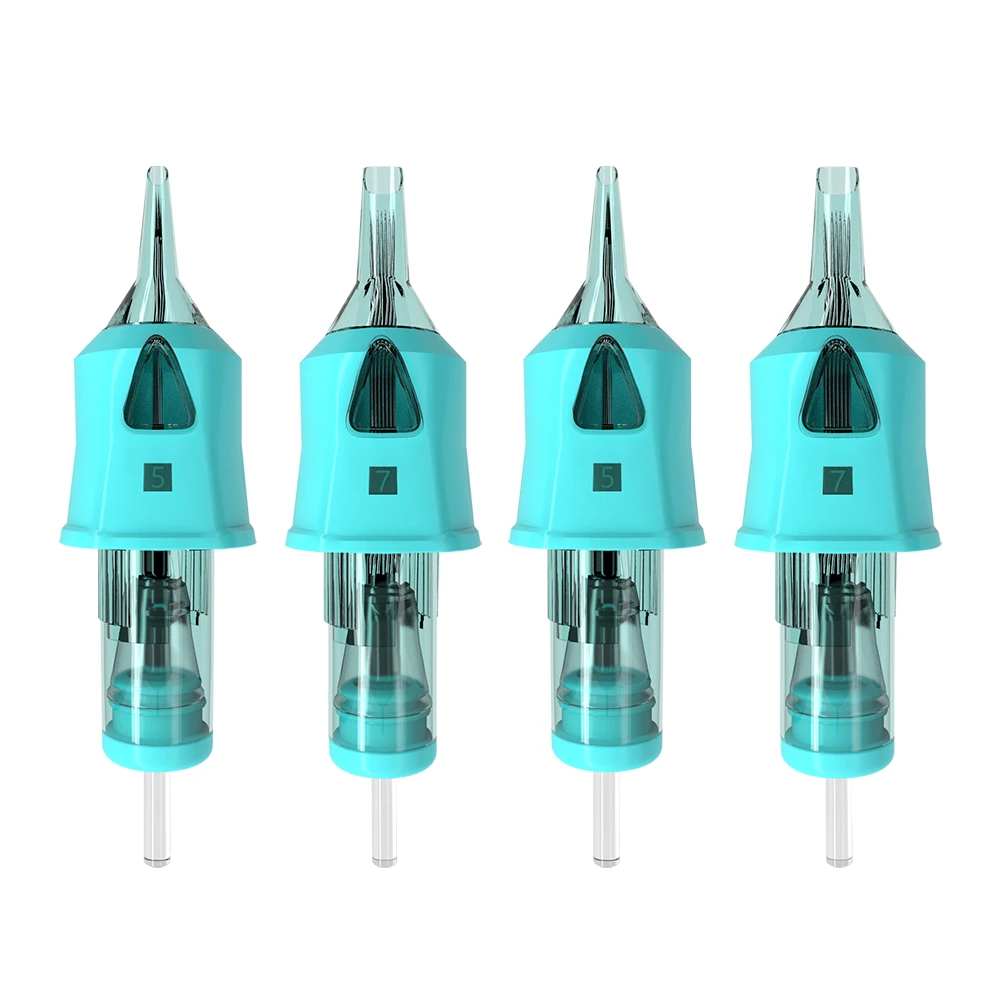
The modern tattoo professional's toolkit has been revolutionized by the advent of the integrated cartridge system. Choosing the right tools within this system is primary for translating artistic vision into lasting body art. This guide explores essential technical considerations for selecting the optimal cartridge solution to enhance precision, efficiency, and safety in your studio.
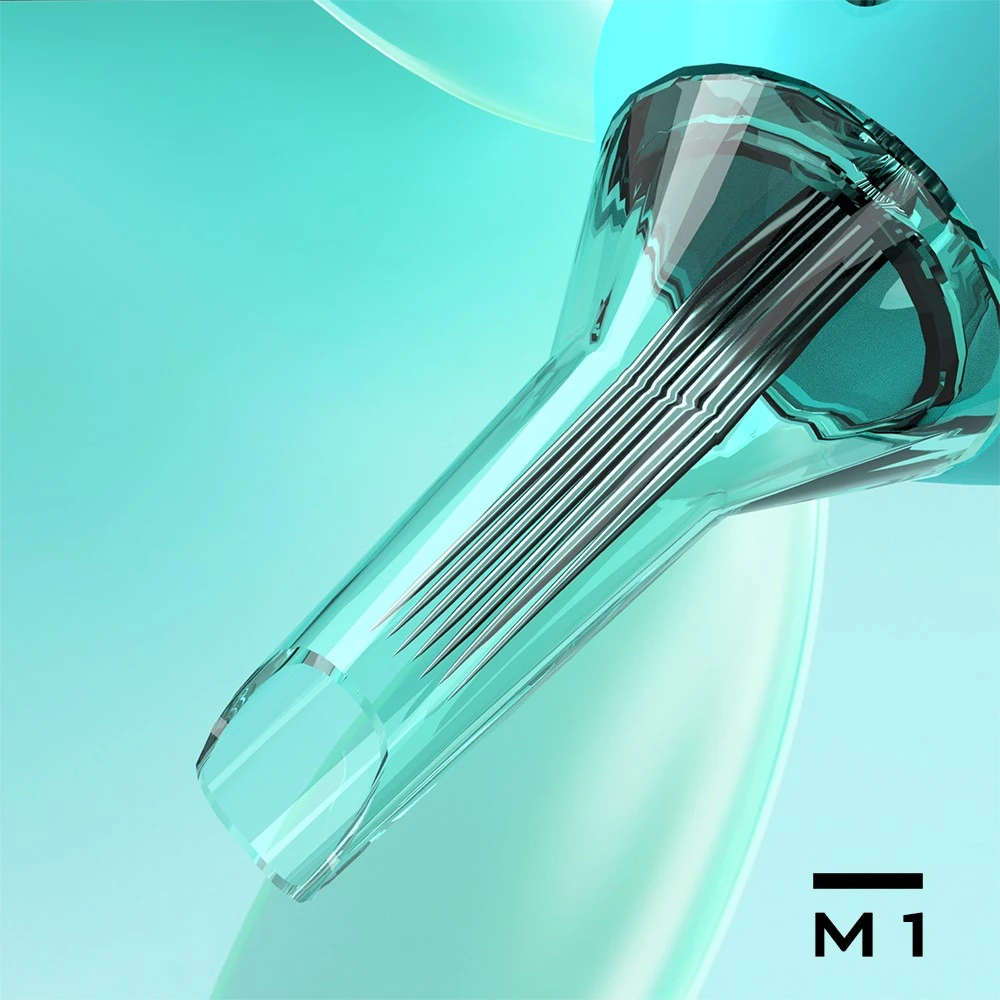
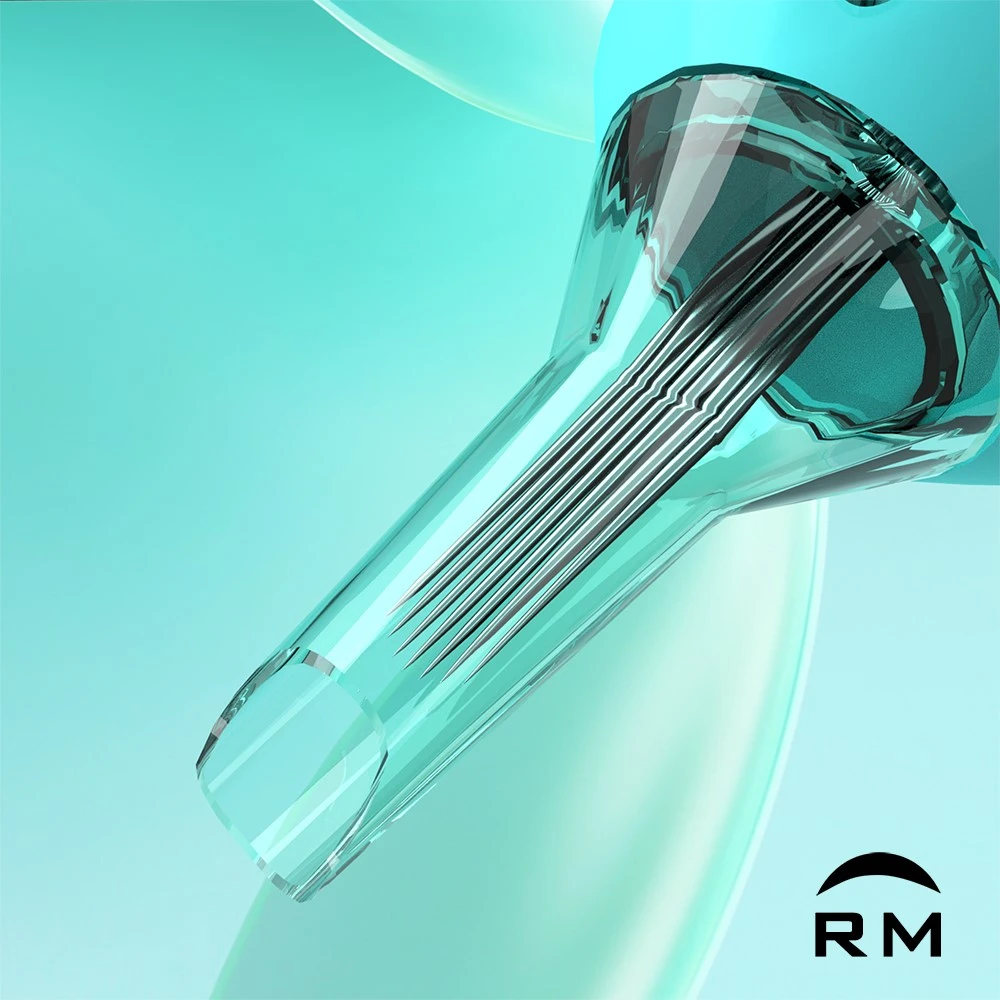
The selection process begins with the core tool itself: the cartridge needle type. The artistry of tattooing splits primarily into two technical actions: outlining and shading. For creating sharp, clean outlines and intricate linework, artists favor cartridge needle like Round Liners. When the task shifts to filling color, creating smooth gradients, and building soft shadows, Magnum cartridge needles are the first choice for their efficiency and blend quality. Beyond the cartridge needle type, the geometry of the needle point, known as its taper, significantly affects its behavior. A longer taper allows for a more supple feel on the skin, often yielding smoother ink flow for fine lines, while a shorter taper provides a stiffer, more assertive application.
The cartridge body is equally critical to performance. A high-quality design focuses on stability. The most significant advancement is the cartridge needle construction, which fuses the points into a single, vibration-resistant unit. This integration minimizes wobble during operation, translating directly to cleaner linework and more controlled shading. For comfort during extended sessions, many professionals prefer cartridges equipped with a soft silicone sleeve, which dampens machine vibration and improves grip. The metal used for the needle points should be a high-grade stainless steel, such as 316L, to maintain sharpness and resist corrosion.
While performance is crucial, the foundation of professional practice is uncompromising safety. Every cartridge must be a single-use, disposable item to prevent cross-contamination. The industry-standard safety protocol involves sterilization using eo gas, a process that effectively eliminates microbial life. Following sterilization, each unit should be sealed in an individual, tamper-evident package. Verifying these safety credentials, such as checking for relevant certifications provided by the supplier, is a non-negotiable step in the procurement process.
Mastering your equipment choices is a continuous part of a tattoo artist's development. By understanding the interplay between needle type, cartridge engineering, and rigorous safety protocols, you make an informed investment in the quality of your work and the trust of your clients. The ideal tool feels like a natural extension of your skill, allowing your technical execution to match your creative ambition seamlessly.