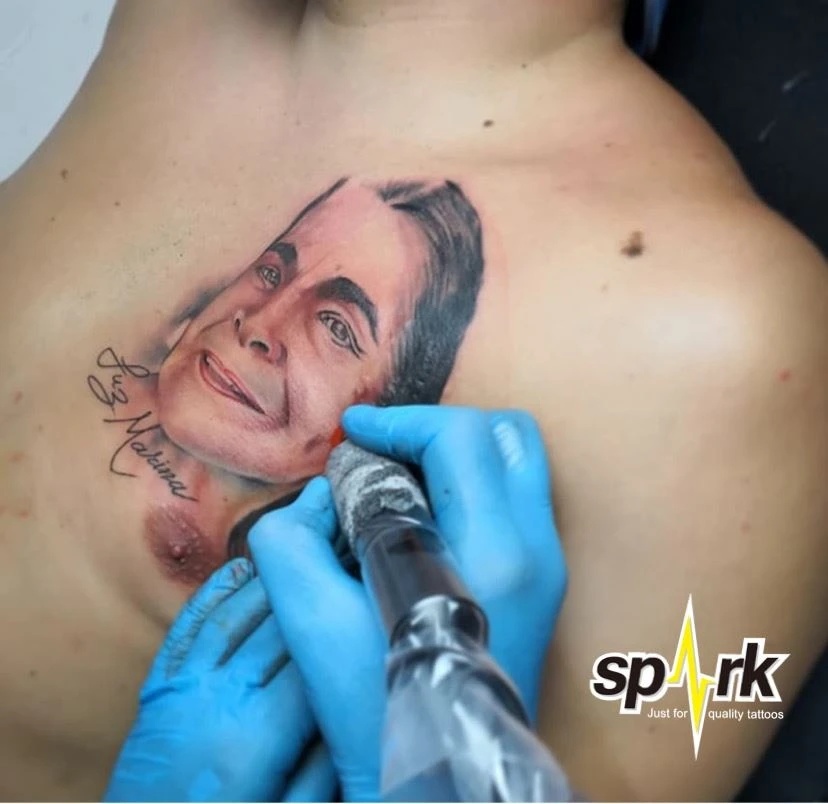
Getting inked is a popular way to express individuality and celebrate life's milestones, but the process of tattooing isn't always painless. The varying degrees of discomfort people experience during a tattoo session often spark curiosity about what's happening neurologically. Here, we delve into the science behind tattoo pain, shedding light on the factors that influence how much-or how little-we feel.
The Body's Pain Pathways
At its core, tattoo pain arises from the stimulation of nerve endings in the skin. When a tattoo gun vibrates, rapidly inserting ink into the dermis, it triggers nociceptors-specialized nerve fibers that detect potentially harmful stimuli. These signals then travel up the spinal cord to the brain, where they are interpreted as pain.
Tattoo Artist Technique
The skill of the tattoo artist also plays a significant role in pain perception. An experienced artist who uses a steady hand and appropriate pressure can minimize discomfort. Conversely, a novice artist might cause more pain due to uneven pressure or excessive needle penetration.
Pain Management Techniques
To ease tattoo pain, many individuals employ various techniques, ranging from simple distractions like listening to music or watching TV to more advanced methods like applying numbing creams or taking mild pain relievers.
Understanding the science behind tattoo pain can help demystify the process for those considering their first tattoo or looking to manage discomfort during future sessions. By recognizing the factors that influence pain perception, individuals can make informed decisions about their tattoo experience, ensuring it's as enjoyable and memorable as possible.